Ecological
Landscapes
We design low-maintenance, sustainable environments that work in harmony with the local climate, supporting local biodiversity without sacrificing visual impact.
Designed with
nature, not against it
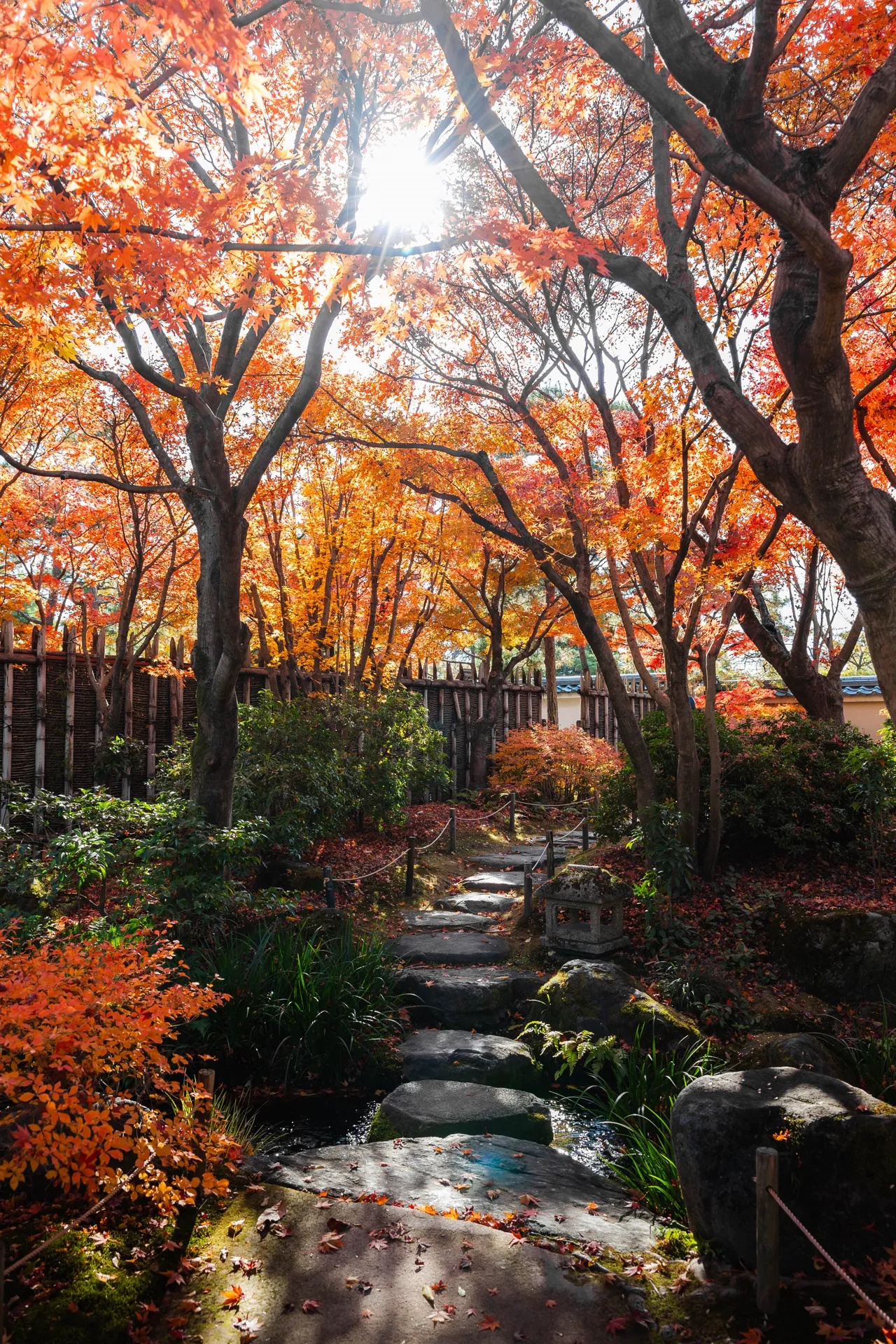
Ecological landscape design mirrors the natural regional landscape that existed before urban development. These are not wild spaces left to chance, but carefully composed environments that layer native plant communities to support diverse wildlife from soil to canopy.
Our approach begins with what already belongs to the land. Native trees, indigenous grasses, and regionally adapted perennials form the backbone of every design — requiring less water, supporting local biodiversity, and deepening in beauty year over year.
Ecological Design Practices
Native Plant Integration
Species adapted to local climate, soils, and wildlife that have evolved alongside native pollinators. These plants require minimal intervention once established and provide critical habitat.
Xeriscape & Low-Water Design
Water-efficient landscapes using drought-tolerant species, mulching, and hydrozoning. Xeriscaping doesn't mean barren — it means beautiful, resilient gardens that thrive with minimal irrigation.
Pollinator Gardens & Wildlife Habitats
Layered plantings that provide nectar, pollen, and host plants for native bees, butterflies, and hummingbirds. Dense groundcover and fallen leaves create habitat for overwintering insects.
Rain Gardens & Bioswales
Vegetated depressions that capture and filter stormwater runoff, reducing flooding while recharging groundwater. Planted with moisture-tolerant native species that thrive in periodic inundation.
Layered for
resilience
Native trees provide structure, shade, and habitat. We select species for their mature size, wildlife value, and ability to thrive in local conditions without supplemental irrigation.
Mid-height plantings that provide screening, seasonal interest, and food sources for birds and pollinators. Native shrubs require minimal pruning and adapt to natural rainfall patterns.
Perennials, grasses, and low-growing plants that suppress weeds, retain soil moisture, and provide continuous bloom throughout the growing season. Dense planting eliminates the need for mulch.
Healthy soil is the foundation. We avoid chemical inputs, utilize fallen leaves as natural mulch, and minimize disturbance to preserve beneficial soil organisms and mycorrhizal networks.
Beauty that requires less
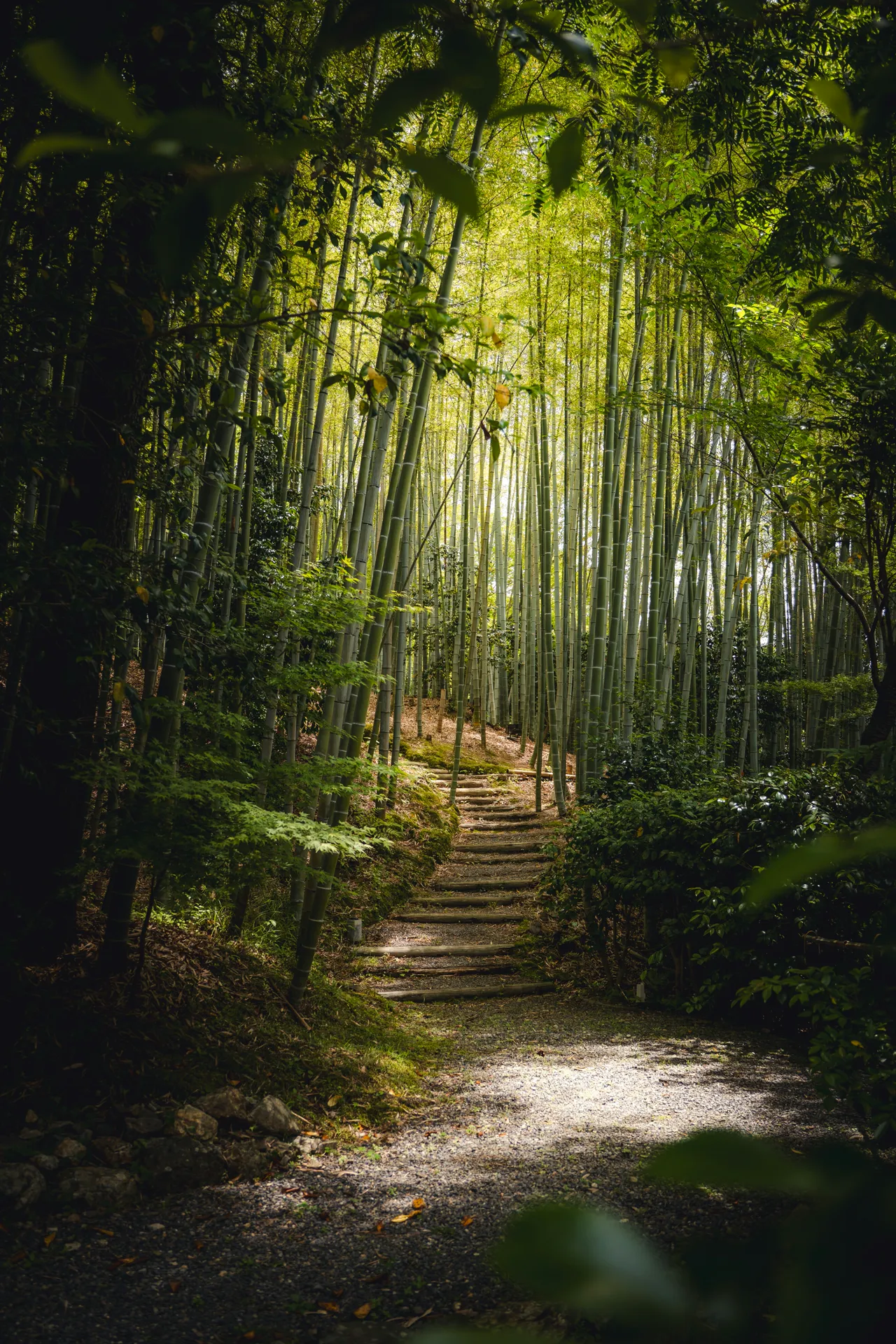
Ecological landscapes are not maintenance-free, but they are dramatically lower in upkeep than traditional ornamental gardens. Once established, native plantings require no fertilizer, minimal watering, and less frequent intervention. The result is a landscape that becomes more beautiful and self-sustaining with each passing year.
Let's talk
Leave your details and we'll get back to you in a bit!
Ready to transform your outdoor space? Reach out to discuss your project.